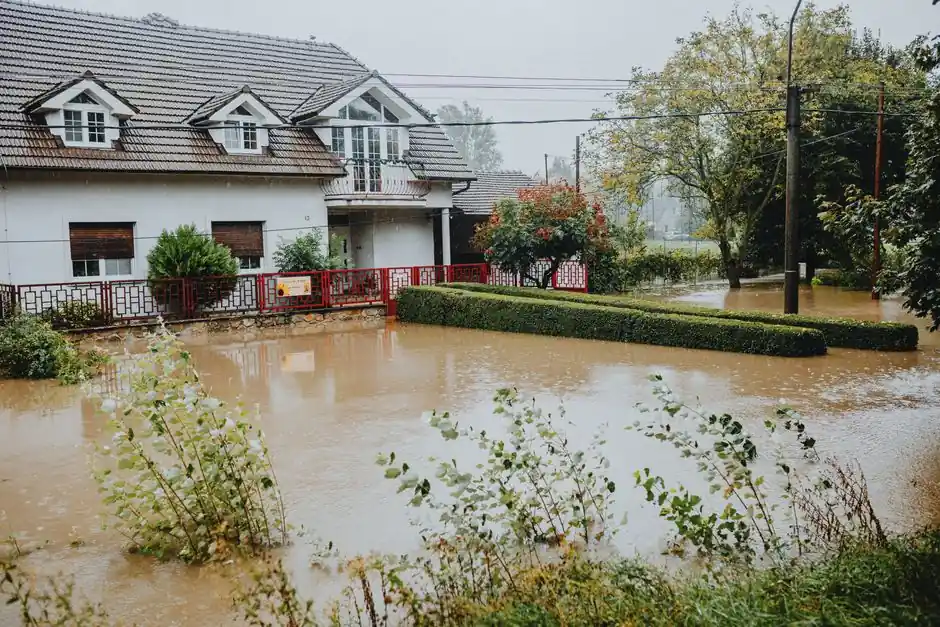
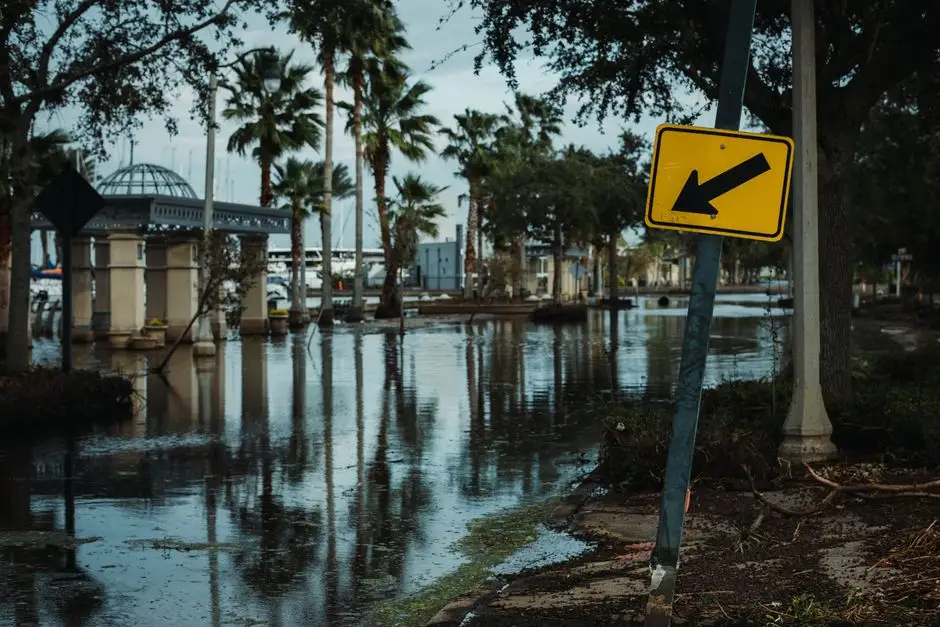
Stop the water, stay safe, then call for local help.

Emergency Water Damage in West Jordan: Your First-Hour Checklist

Emergency Water Damage in West Jordan usually begins with a frozen pipe that splits overnight, a water heater that lets go, or a window well that fills during a storm. What you do in the first hour decides how far the water travels and how much material has to be torn out. Work through this checklist, then call (385) 481-3042 and we connect you with a local water damage restoration company serving Salt Lake County, Utah.

Call now to speak to a specialist

Call (385) 481-3042
water damage cleanup west jordan in West Jordan, Utah
Careful work. Honest options.
About this service

What Emergency Water Damage in West Jordan Means

Emergency Water Damage in West Jordan is urgent, same-structure water intrusion that keeps spreading until someone stops the source and starts removing moisture. That covers burst supply lines, failed water heaters, overflowing washing machine hoses, roof leaks after a storm, and groundwater coming through a basement wall. Water wicks upward into drywall and sideways under flooring, so a puddle you can see usually means wet material you cannot. The restoration work that follows centres on stopping the source, removing standing water, and drying everything to a measured target.

In West Jordan the emergencies cluster around two seasons. November through February brings hard freezes that split pipes in garages, exterior walls, and unheated crawl spaces, and spring runoff and summer storms push water toward foundations. Finished basements, common across the 84088, 84081, and 84084 ZIP codes, hold carpet, drywall, and insulation that soak up water fast. Calling early for emergency water removal in West Jordan keeps a wet floor from becoming a mold problem, since growth can begin 24 to 48 hours after the water arrives.

  • ✓ Smaller wet footprint
  • ✓ Safer for your family
  • ✓ Less material thrown away
  • ✓ A clear record for claims
What's included

What an Emergency Response Typically Includes

A full emergency water damage job covers stopping further loss, removing water, and drying the structure to a measured target. Rebuilding, such as new drywall, paint, and flooring, is a separate phase that follows once materials test dry. The items below describe what a restoration company typically does on an emergency call.

01
✓

Source and hazard check

The crew confirms the water is off, looks for electrical hazards, and identifies the water category. A clean supply line break is treated differently from a sewer backup, so this first assessment sets the plan for everything else.

02
✓

Water removal

Pumps and extraction wands pull standing water from floors, and wet vacuums handle carpet. Removing bulk water mechanically is far faster than evaporating it, and it reduces the number of days equipment runs.

03
✓

Moisture mapping

Moisture meters and thermal imaging trace water into walls, ceilings, and subfloors. The readings guide where air movers and dehumidifiers go and become the baseline for deciding when drying is finished.

04
✓

Structural drying

Air movers and LGR dehumidifiers dry the building materials, typically over 3 to 5 days, with readings taken each day. Wet insulation or soaked padding is removed when it cannot be dried in place.

05
✓

Contents protection

Furniture is lifted or moved, wet belongings are sorted into what can be dried or cleaned and what cannot, and affected areas are cleaned and treated to slow bacterial and mold growth.

How it works

Your First-Hour Safety Checklist

Find your main water shutoff, usually near the water heater, where the line enters the house, or at the meter box outside. Turn it fully clockwise. For a single fixture, use the small valve under the sink or behind the toilet. If you cannot find the cause, shut off the main and open a lower faucet to drain the lines.

Before you step into standing water, think about power. If outlets, cords, or the electrical panel are wet or near water, do not touch them, and have the circuit shut off at the breaker only if you can reach it while standing on dry ground. Keep children and pets out, and watch for slippery floors and sagging ceilings.

Take wide photos and slow video of the source, the waterline on walls, and every damaged item before moving anything. Note the time you found the water. List major belongings affected. This takes about as long as a cup of coffee and gives you what you need for your insurance claim.

Lift small furniture and boxes off wet floors, put foil or wood blocks under legs, pull up loose rugs, and move electronics to dry rooms. Open cabinet doors under the sink. Do not use a household vacuum on standing water, and skip heavy lifting if the ceiling is bulging, since trapped water can fall without warning.

Call (385) 481-3042 and we connect you with an independent local water damage restoration company serving West Jordan. Tell them what failed, how long water ran, which rooms are wet, and whether any water looks dirty. The restoration crew you are connected with will explain how they plan to extract water and set up drying.

Emergency Water Damage
STEP 01Stop the source

Find your main water shutoff, usually near the water heater, where the line enters the house, or at the meter box outside. Turn it fully clockwise. For a single fixture, use the small valve under the sink or behind the toilet. If you cannot find the cause, shut off the main and open a lower faucet to drain the lines.

Tools & methods

Equipment Behind Emergency Water Work

01
✓

Moisture meters

Pin and pinless meters read moisture in drywall, wood, and subfloor, showing where water is hiding and when materials return to a normal dry reading.

02
✓

Thermal imaging camera

Shows temperature differences that reveal wet areas behind finished surfaces, helping a crew trace water without opening every wall.

03
✓

Truck-mounted and portable extractors

Pull large volumes of standing water and water held in carpet, which speeds drying far more than leaving it to evaporate.

04
✓

LGR dehumidifiers

Low grain refrigerant units pull moisture from the air so wet materials keep releasing water, even in the dry Utah air during winter heating.

05
✓

Axial and centrifugal air movers

Direct airflow across walls and floors to speed evaporation, placed according to the drying plan and room size.

Real results

Before and after.

Typical case: split pipe in the garage
Emergency Water Damage

Typical case: split pipe in the garage

A frozen supply line in an exterior garage wall splits overnight. By morning, water has run down the wall cavity, soaked drywall, and spread under the laminate floor of the adjoining hallway. The homeowner finds a damp smell and swollen baseboards.

After: After the main is shut off, water is extracted and moisture readings map the wall and hallway. Wet drywall is cut back, air movers and LGR dehumidifiers run for 3 to 5 days, and readings return to the dry reference before anything is closed up.

Call (385) 481-3042 →
Typical case: water heater failure
Emergency Water Damage

Typical case: water heater failure

A 50 gallon water heater tank fails in a utility closet. Water spreads across the laminate floor into the family room, where carpet padding absorbs it. The homeowner shuts off the cold supply but cannot tell how far the water went.

After: Standing water is extracted, and moisture mapping shows wetness 12 feet from the closet. The padding is removed and the carpet dried or replaced as the readings dictate. Equipment runs for several days until baseboards and subfloor measure dry.

Call (385) 481-3042 →
Typical case: storm water in a basement
Emergency Water Damage

Typical case: storm water in a basement

A heavy storm fills a window well and water seeps into a finished basement. About an inch covers the carpet, and the lower 12 inches of drywall wick moisture upward. The family's stored boxes sit on the wet floor.

After: Water is pumped and extracted, carpet padding is removed, and the lower drywall is cut back to dry material. Air movers and dehumidifiers dry the framing, and moisture readings are taken daily until the wall bottoms measure at the dry reference.

Call (385) 481-3042 →
Problems we solve

Common Emergency Problems and Safe Answers

Most emergency water damage in West Jordan comes from a short list of failures, and each has a safe first response. The problems below pair what goes wrong with the consequence of waiting and what a restoration company does about it.

Ask a pro →
01

A frozen pipe split overnight and water is running inside a wall

Shut off the main valve first, then call. The restoration crew you are connected with uses moisture meters to follow the water through the wall, opens affected sections if needed, and dries the cavity.

↗
02

The water heater tank failed and the utility room floor is flooded

Turn off the cold supply to the heater and the power or gas to it if you can safely reach it. The restoration company extracts the water and dries adjoining rooms.

↗
03

Water is coming up from a floor drain or toilet and smells bad

Stay out of the water, keep family and pets away, and call. The crew you are connected with uses protective equipment, removes affected materials, and disinfects the area.

↗
04

A storm or spring runoff pushed groundwater into the basement

Avoid walking in the water if outlets are low, and call. The restoration company pumps the basement, removes damaged materials, and dries the framing.

↗
Transparent pricing

What Affects Emergency Response Cost

The cost of emergency water damage work depends on how much water spread, what it touched, and how long drying takes, not on a single flat figure. A small clean-water leak confined to one room is a different job than a basement flood across several rooms. Because every house and every loss is different, no honest number can be given without knowing the situation. Describing it on the call helps the restoration company explain how they price the work, and the main factors are listed below.

Acting in the first hour is the cheapest thing you can do. A shut-off valve and a quick call keep a loss small, and fast drying keeps materials in place instead of in the dumpster, which is what keeps the overall scope manageable.

Square footage affected

•affects cost

The more floor and wall area the water reached, the more extraction time and drying equipment the job needs. Water travels, so the affected area is often larger than it looks.

Get a quote ↗
Materials involved

•affects cost

Hardwood, carpet with padding, drywall, and insulation each dry differently. Items that must be removed and later replaced add to the overall cost of getting the house back to normal.

Get a quote ↗
Drying days needed

•affects cost

Equipment is typically in place for 3 to 5 days, but thick materials or high humidity can extend that. Daily moisture monitoring ends when readings reach the dry reference.

Get a quote ↗
Good questions

Frequently Asked Questions

(385) 481-3042 →

Shut off the water at the main valve, then make the area electrically safe before you walk through it. Once the source is stopped, take photos, move valuables to dry rooms, and call (385) 481-3042 to be connected with a local restoration company. Skipping the shutoff is the mistake that turns a small leak into a flooded floor, so do that step before anything else.

Sudden, accidental events such as a burst pipe or appliance failure are commonly covered by a standard homeowners policy, while gradual leaks and groundwater seepage often are not. Coverage depends on your specific policy, so read it or call your agent. Photos and a note of when you found the water make any claim smoother, and drying promptly usually limits what a claim has to cover.

Mold can begin growing 24 to 48 hours after materials get wet and stay wet. Drywall, carpet padding, and insulation are the usual first places. Fast water removal and drying, which commonly takes 3 to 5 days, lowers the chance. If a musty smell shows up days after a leak, ask the restoration company about mold remediation in West Jordan.

Small clean-water spills from a sink supply line can often be mopped and dried with fans, but anything larger than one room, anything soaking into walls, and any dirty water needs a pro. Moisture inside walls and under flooring cannot be seen. Water from sewage backups or outdoor flooding is Category 3 under IICRC S500 and should not be handled with household supplies.

Ready when you are

Emergency Water Damage in West Jordan? Call Now

Water keeps spreading until the source is stopped and the area is dried. Once you have shut off the main valve and made the space safe, call (385) 481-3042 and we connect you with a local water damage restoration company serving Salt Lake County.

Call (385) 481-3042 (385) 481-3042 →
Request an appointment

Call About Water Damage

To reach a local water damage restoration company serving West Jordan, call (385) 481-3042. Tell us where the water is, what caused it and whether it is still running. We connect you directly with an independent restoration company that handles the rest with you. This is a phone line only, so there is nothing to fill in online.

Call now to speak to a specialist

No forms to fill in. Call (385) 481-3042, tell us what happened and where the water is, and we connect you with an independent local restoration company serving West Jordan and nearby towns.

Call (385) 481-3042
↗
Emergency?Call now